Publishing Leaders Unite Behind a Responsible Future for AI Licensing
Baroness Thangam Debbonaire urges government and industry to "get this system working urgently" as momentum grows behind PLS' collective AI licensing initiative.
London, Friday 3 July 2026: More than 240 representatives from publishing, the creative industries, technology, academia and government gathered in London yesterday for PLS Conference 2026, where industry leaders came together to explore how AI can support innovation while protecting copyright and the value of trusted published content.
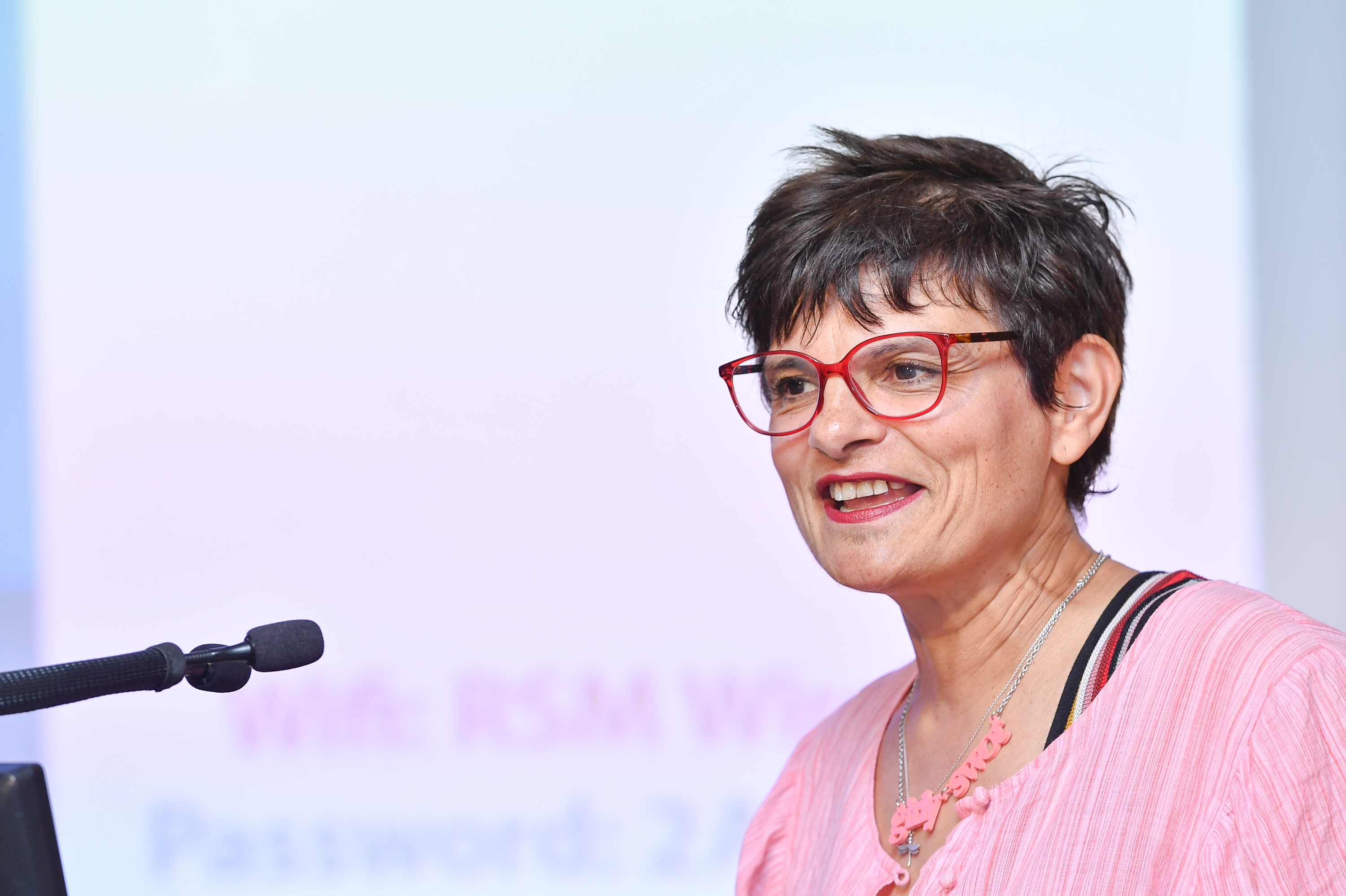
Closing the conference, Baroness Thangam Debbonaire called for urgent action to ensure AI works with, rather than against, the creative industries. Stressing that creativity remains fundamentally human, she urged government and industry to move quickly to establish practical licensing systems that protect creative work while supporting innovation.
Hosted by Publishers’ Licensing Services (PLS), the conference came as more than 300 publishers have now opted into PLS' pioneering collective AI licensing initiative, reflecting growing support for a collective licensing model that complements direct licensing and enables publishers of all sizes to participate in the emerging AI economy.
Developed by PLS in partnership with the Copyright Licensing Agency (CLA) and the Authors' Licensing and Collecting Society (ALCS), the collective licence provides publishers with an optional route to market where direct licensing may not be viable. Designed to sit alongside direct licensing agreements, it enables publishers to license content for generative AI through a transparent collective framework, giving AI developers lawful access to trusted, rights-cleared content under clear licensing terms.
Across the conference, publishers, policymakers and legal experts explored the fast-moving AI landscape, examining the evolving legal framework, the growth of AI licensing and the practical steps needed to ensure creators and publishers are fairly recognised for the use of their work.
Speakers included Professor Emily Hudson (University of Oxford), Professor Guido Westkamp (Queen Mary University of London), legal experts Joel Smith (Simmons & Simmons), Katherine Kirrage (Osborne Clarke) and Zoey Forbes (Harbottle & Lewis), Caroline Cummins, Director of Policy & Public Affairs at the Publishers Association, alongside representatives from Muwzo AI, Future, Sage Publishing, Kogan Page, Springer Nature, Burleigh Dodds Science Publishing, RightsZone, RCNi and industry bodies CLA, ALCS, Professional Publishers Association (PPA), Independent Publishers Guild (IPG) and the Association of Learned and Professional Society Publishers (ALPSP).
Key themes emerging from the conference include:
- Collective AI licensing is gathering pace, with publishers increasingly recognising licensing as a practical way to participate in the growing AI economy alongside direct licensing opportunities.
- The legal landscape continues to evolve, with litigation, policy reform and new legislation expected to shape how AI developers access and use copyrighted content in the years ahead.
- Practical licensing and greater transparency will be essential to giving publishers and authors confidence as AI adoption continues to accelerate.
- High-quality, rights-cleared content is becoming increasingly valuable, strengthening the role publishers can play in the next generation of AI development.
- Closer collaboration between publishing, government and technology companies will be critical to developing licensing frameworks that support innovation while protecting copyright.
Throughout the conference, speakers reinforced the role of collective licensing as a complementary route to direct licensing, giving publishers greater flexibility in how they license their content while ensuring organisations of every size have the opportunity to participate in the emerging AI market.
Tom West, Chief Executive of PLS, comments: “This year's conference showed just how quickly the conversation around AI licensing is moving forward. Publishers are looking for practical solutions that protect copyright while helping them realise the value of their content, and there is growing recognition that collective licensing has an important role to play alongside direct licensing.
With 300 publishers now backing our initiative and more joining daily, we are building real momentum behind a licensing framework that gives publishers greater flexibility, provides AI companies with a clear route to trusted content and helps ensure the value created by AI is shared fairly across the publishing ecosystem.”
Closing the conference, delegates were encouraged to continue working together across publishing, government and the technology sector to develop practical licensing frameworks that deliver long-term value for publishers, authors and AI developers.
Read more from the wider publishing industry about the Conference here: